
What Really Happened in the McDonald’s Hot Coffee Case — And Why It Still Matters for New York Injury Victims
What Really Happened in the McDonald’s Hot Coffee Case — And Why It Still Matters for New York Injury Victims
For decades, the “McDonald’s coffee case” has been held up as the supposed poster child for a “frivolous lawsuit.” The public narrative became simple: a woman spilled coffee on herself and became a millionaire.
But the actual facts of the case tell a very different story.
The lawsuit, formally known as Liebeck v. McDonald’s Restaurants, remains one of the most misunderstood civil cases in American legal history. Once the evidence presented at trial is examined, the case becomes less about “runaway juries” and more about corporate knowledge, consumer safety, and the role civil juries play in protecting the public.
The Actual Facts of the Case
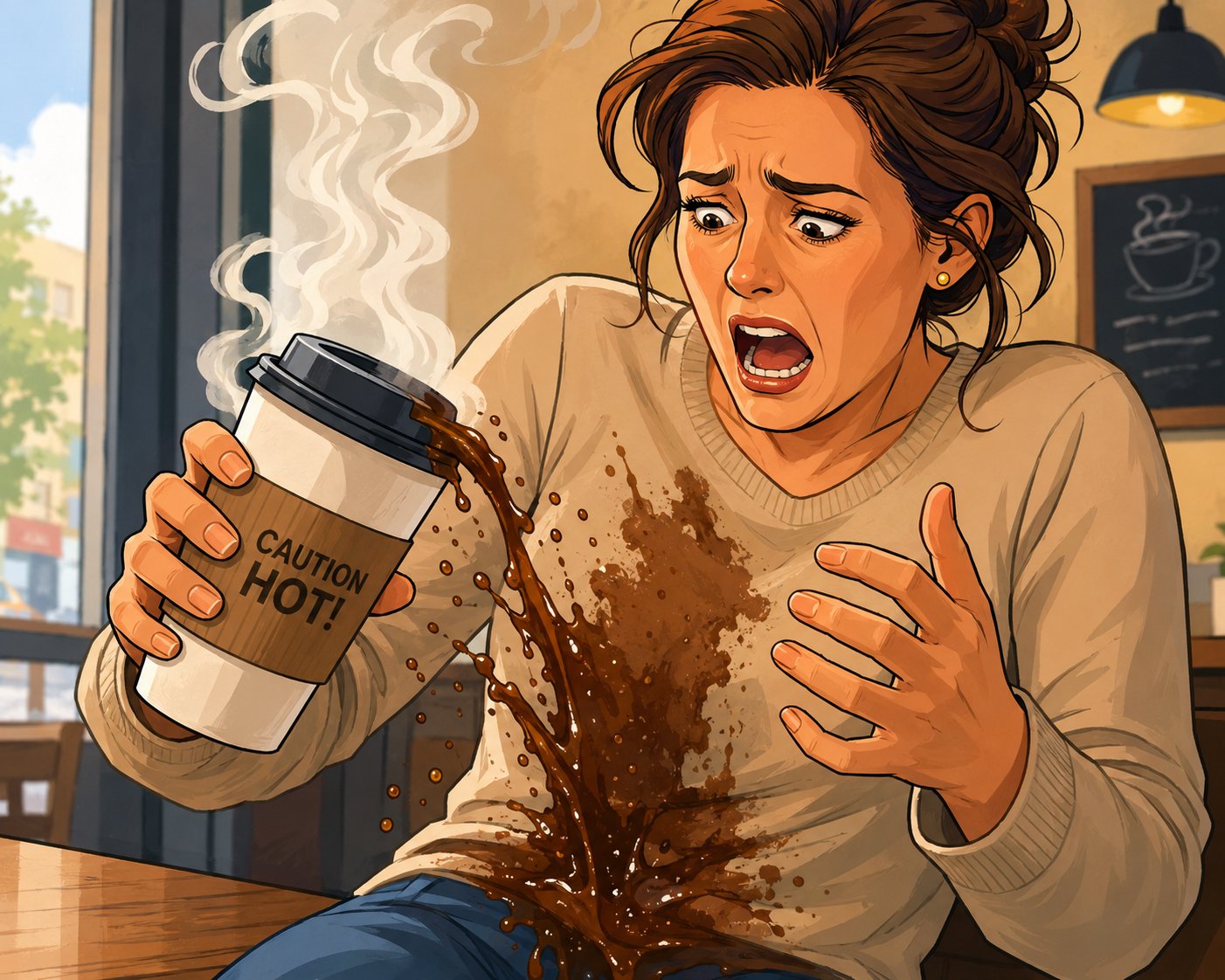
In 1992, 79-year-old Stella Liebeck purchased coffee from a McDonald’s drive-thru in Albuquerque, New Mexico. She was not driving the vehicle. The car was parked when she attempted to remove the coffee lid to add cream and sugar.
The coffee spilled into her lap.
What happened next was catastrophic.
The coffee had reportedly been served at approximately 180–190 degrees Fahrenheit — significantly hotter than many competitors. At those temperatures, liquids can cause third-degree burns in mere seconds.
Ms. Liebeck suffered severe burns to her groin, thighs, and buttocks. She was hospitalized for over a week, underwent skin graft procedures, and endured years of medical treatment and permanent scarring.
The graphic photographs from the case — which many people never saw — demonstrated that this was not a minor spill or inconvenience. The injuries were medically devastating.
McDonald’s Prior Knowledge Became Central
One of the most important facts in the case was evidence that McDonald’s allegedly knew its coffee posed a serious burn risk.
During discovery, evidence showed McDonald’s had reportedly received hundreds of prior burn complaints involving its coffee before Ms. Liebeck’s incident. Some reports placed the number at more than 700 prior incidents.
The plaintiff argued that McDonald’s knowingly served coffee at temperatures capable of causing catastrophic burns almost instantly, while failing to adequately warn consumers of the true danger.
Equally important: Ms. Liebeck initially did not demand millions of dollars. She reportedly sought only enough money to cover her medical bills and related expenses, but settlement negotiations failed.
The Jury Verdict — What the Headlines Left Out
The jury did not conclude that Ms. Liebeck was blameless.
Instead, the jury found comparative fault:
- McDonald’s: 80% responsible
- Ms. Liebeck: 20% responsible
The jury awarded:
- $200,000 in compensatory damages
- Reduced to $160,000 because of her share of fault
- $2.7 million in punitive damages
The punitive damages became the media headline.
However, the jury reportedly based that figure on approximately two days of McDonald’s coffee revenue — not on some random lottery-style number. The purpose of punitive damages is not compensation, but punishment and deterrence where conduct is found reckless or willful.
What Happened After the Verdict?
This is the part many people never heard.
The trial judge later reduced the punitive damages from $2.7 million to approximately $480,000. The total judgment therefore became roughly $640,000 before appeal proceedings continued.
The parties then reached a confidential settlement before the appeal concluded. Most legal commentators believe the final settlement was substantially less than the headline-grabbing verdict.
In other words:
- Ms. Liebeck did not receive the full $2.9 million figure endlessly repeated in popular culture.
- The legal system itself already contained mechanisms to review and reduce jury awards.
- The case was far more nuanced than the public narrative suggested.
Why the Case Became a Symbol of “Frivolous Lawsuits”
Following the verdict, the case was widely used in political and corporate campaigns advocating for “tort reform” — efforts designed to limit personal injury lawsuits and damages awards.
Over time, the simplified version of the story became:
“A woman spilled coffee on herself and got millions.”
What was often omitted:
- the severity of the burns,
- McDonald’s alleged prior knowledge,
- the comparative fault finding,
- the reduction of the verdict,
- and the confidential post-trial settlement.
Many legal scholars now view the public reaction to the case as an example of how civil litigation can be mischaracterized when verdicts are discussed without context.
Why This Case Still Matters for New York Personal Injury Victims
The McDonald’s coffee case remains highly relevant to injured individuals in New York because it highlights several core truths about personal injury litigation.
1. Serious injuries are often minimized publicly
Insurance companies and corporate defendants frequently attempt to frame injury claims as exaggerated or opportunistic. Yet the actual medical evidence may tell a very different story.
New York injury victims often face the same dynamic:
- “It was just a minor fall.”
- “It was only a low-speed collision.”
- “It was just hot coffee.”
But the true issue is the extent of the injury and whether the defendant acted reasonably under the circumstances.
2. Comparative negligence does not automatically bar recovery in New York
New York follows a comparative negligence system similar in concept to what occurred in the McDonald’s case.
That means an injured person can still recover damages even if they were partially at fault for the incident. Their recovery may simply be reduced by their percentage of responsibility.
This becomes critically important in:
- automobile accident cases,
- premises liability claims,
- construction accidents,
- product liability cases,
- and assault/negligent security claims.
Defense attorneys often try to convince injured people that any fault on their part destroys the case entirely. In New York, that is generally not true.
3. Punitive damages are rare — but corporate conduct matters
Punitive damages are not awarded in most New York personal injury cases. However, where evidence shows reckless disregard for safety, courts may allow enhanced damages claims.
The McDonald’s case demonstrated how internal corporate documents, prior incidents, and safety knowledge can become powerful evidence in litigation.
That principle still applies today.
Modern cases involving:
- dangerous products,
- repeated safety violations,
- negligent security,
- unsafe corporate policies,
- or repeated complaints ignored by management
may similarly turn on what the defendant knew before someone was seriously injured.
4. Civil juries serve an important public function
One of the lasting lessons of the McDonald’s case is that juries are often far more thoughtful than media portrayals suggest.
The jury in the case:
- carefully allocated fault,
- distinguished compensatory from punitive damages,
- and attempted to fashion a penalty proportionate to a large corporation’s conduct.
Civil juries remain one of the few mechanisms ordinary people have to hold powerful entities accountable.
The Bigger Takeaway
The McDonald’s coffee case was never truly about someone getting rich over spilled coffee.
It was about:
- catastrophic injuries,
- evidence of prior warnings,
- corporate decision-making,
- and the role of the civil justice system.
For New York injury victims, the lesson is important: cases should be evaluated based on evidence and injuries — not on sound bites, headlines, or insurance company talking points.
Many cases initially mocked or dismissed publicly turn out, upon closer examination, to involve very real harm and very serious wrongdoing.
Questions? Call us at 212-285-4100 or visit us at cf-lawyers.com and send us an email or message.
We're Here to Help You
Contact us today for a consultation and guidance.